

Table of Contents
Artificial intelligence has evolved beyond research labs—it now sits beside fiction writers as a creative assistant. Whether you’re drafting short stories, novels, or scripts, AI story tools offer ways to break through writer’s block, develop fresh ideas, and draft prose more efficiently.
What Is AI Story Writing?
AI story writing merges human creativity with machine learning. Using input prompts, style samples, or plot outlines, AI models help writers expand text, continue narratives, or reimagine existing scenes.
Top Capabilities
- Brainstorm plot ideas and character arcs
- Suggest descriptive details or sensory imagery
- Rewrite paragraphs in different tones
- Summarize or outline scenes
- Analyze writing consistency
Why Fiction Writers Use AI
Overcome Creative Blocks
AI tools encourage momentum. Even imperfect suggestions spark new ideas and remove the fear of facing a blank page.
Maintain a Personalized Voice
Modern AI story systems adapt to the context you provide. They echo your sentence rhythms and vocabulary while allowing you to stay in full editorial control.
Accelerate the Drafting Process
Writers using AI often finish early drafts faster by delegating filler or exploratory writing tasks.
Step-by-Step: Getting Started
- Identify where you struggle, outlines, descriptions, or dialogue.
- Choose an AI platform oriented toward creative writing.
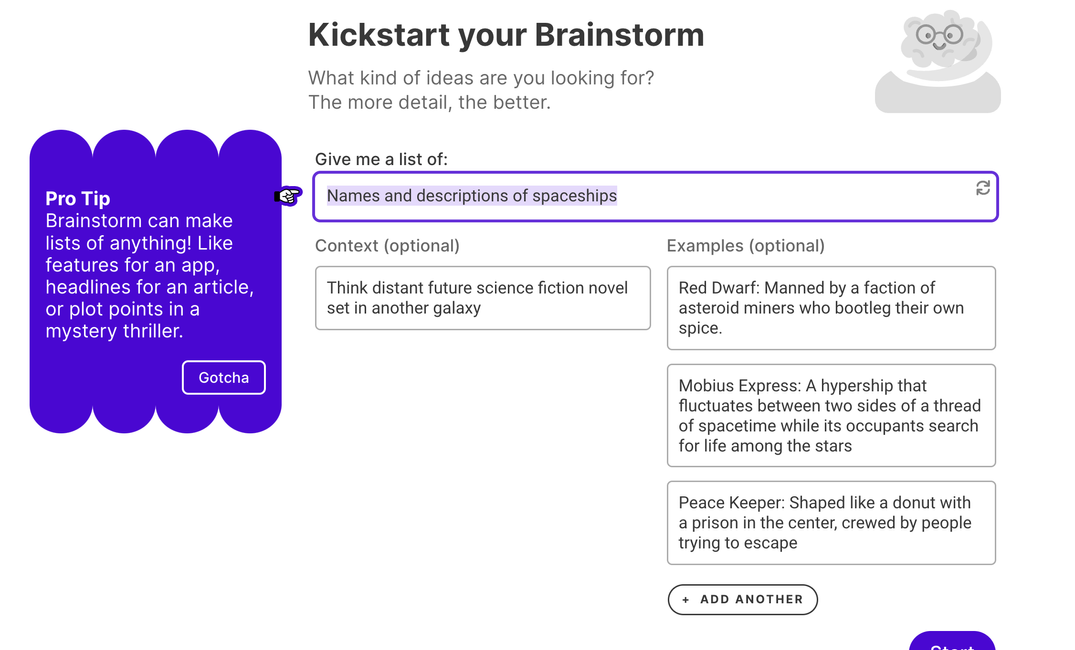
- Feed it enough context: character goals, genre tone, and stakes.
- Generate several options and refine the best output.
- Edit deeply so the prose remains consistent with your voice.
Best Practices
- Let AI assist early, but handle revisions manually.
- Use it for brainstorming, not for final phrasing.
- Maintain a style guide or story bible to preserve tone.
- Treat AI outputs as raw material, not finished text.
Common Pitfalls to Avoid
- Submitting unedited AI text.
- Ignoring emotional beats in favor of speed.
- Relying too heavily on expansion tools.
Recommended Tools
- Sudowrite – Built specifically for authors, offering sensory expansions and plot assistance.
- Novelcrafter – Excellent for fiction structure and outlining.
- ProWritingAid – solid editing and grammar insights.
Example Workflow
When drafting short stories, some authors:
- Outline ideas manually.
- Generate scene starters with AI.
- Expand key moments using AI sensory prompts.
- Polish every line themselves.
Ethical and Legal Notes
AI-generated text is a draft aid. You own final authorship of the edited story. Always credit tools transparently if publication guidelines require it.
FAQ
Is using AI considered cheating?
No. It’s comparable to using thesauruses, writing prompts, or workshops.
Can AI replace human storytelling?
No. It suggests possibilities but lacks genuine lived experience or emotion.
Can I publish AI-assisted writing?
Yes, once you’ve edited and verified originality, most publishers accept AI-assisted but not AI-authored work.
How can AI help with writer’s block?
By generating alternative phrasings and ideas that help you keep momentum.
AI story writing enhances creative potential rather than replacing it. When used thoughtfully, it’s both a brainstorming ally and an editing companion. Keep control of the narrative and use AI where it best complements your unique imagination.