

Table of Contents
Here's what most writers do: they open an AI tool, type "write a steamy scene between Character A and Character B," and get back something that reads like it was assembled from a kit. All the parts are technically there. None of them fit together. The prose lurches from clinical to purple in the same paragraph, the characters dissolve into generic bodies doing generic things, and whatever tension the story had built evaporates like morning fog.
Sound familiar? You're not alone—and the fix isn't a better prompt. It's better craft. See our NSFW AI writer comparison for which platforms actually support these techniques — versus those that just remove content filters.
NSFW AI writing uses artificial intelligence tools to draft, develop, and refine adult fiction content. Effective NSFW AI writing applies the same craft principles as literary fiction—pacing, voice consistency, sensory specificity, and emotional stakes—while leveraging AI capabilities for iteration, tone matching, and continuity. The difference between forgettable output and scenes readers actually reread isn't the AI model. It's the technique directing it.
Why Most AI NSFW Output Reads Like a Bad Form Letter
AI models are pattern machines. Ask for a sex scene without specifying what makes your scene different—the characters, the emotional context, the pacing, the specific sensory world—and you'll get the statistical average of every scene in the training data. That average is mediocre by definition.
The problem compounds because most writers drop their craft standards the moment content turns intimate. They stop thinking about sentence rhythm. They forget about subtext. They abandon the character work that made the reader invest in the first place.
Every technique below treats NSFW scenes as what they are: scenes. With all the craft requirements that implies.
Pacing: The Difference Between Tension and a Grocery List
Picture two versions of the same scene. In version one, two characters go from conversation to bedroom in three flat sentences. The AI dutifully generates action after action—a grocery list of physical events with zero breathing room between them.
In version two, there's a pause after the first touch. A character notices something unexpected—the calluses on someone's hand, a scar they hadn't seen before. The scene slows, accelerates, slows again. It breathes. The reader's pulse follows.
That's pacing. AI won't do it unless you direct it to.
Before: "He kissed her. She pulled him closer. They moved to the bed. He removed her shirt. She ran her hands down his back."
After: "He kissed her, and she tasted the wine they'd been pretending to drink for the last hour. When she pulled him closer, his hand found the small of her back—tentative, like he was still asking a question. The bed was three steps away. Neither of them moved."
The difference isn't explicitness—it's control. Write Guided lets you set pacing targets for each beat of your scene rather than generating everything at once. Pair it with the Creativity Slider: lower settings for grounded, emotionally precise moments; higher for passages where you want the language itself to surprise you.
Voice Consistency Across Intimate Scenes
The fiction readers trust most is fiction where characters sound like themselves in every scene—including the vulnerable ones. That trust breaks the instant your sharp, sardonic protagonist starts thinking in flowery metaphors because someone's taking their clothes off. A reserved character doesn't become a poet mid-scene. Voice is voice. It doesn't clock out.
This is where your Story Bible earns its keep. Feed it voice notes for each character: speech patterns, vocabulary range, internal monologue style, the metaphors they'd actually reach for. When you generate scene content with those guardrails active, your Navy veteran thinks in short, direct fragments. Your literature professor notices textures and allusions. That consistency makes the scene theirs instead of interchangeable.
Lock your perspective with the POV/Tense system before you generate a single line. Third-person limited from your protagonist's viewpoint reads completely differently than the same scene from their partner's—and it should. The system prevents mid-scene drift that makes readers lose their footing.
Sensory Detail That Actually Lands
Most AI-generated intimate scenes are overwhelmingly visual. Characters look at things. They see reactions. Everything reads like stage directions for a camera operator who forgot they had a sound department.
Real intimacy is multi-sensory. Temperature. Texture. Sound—not just words, but breath, and fabric, and the specific creak of a particular bed. The weight of another person. The way a room smells different when it's shared.
Before: "She looked beautiful in the candlelight. He watched her move across the room toward him."
After: "The candle threw uneven warmth across her shoulders, light and then shadow as she shifted. The floorboards announced each step. When she was close enough, he caught the specific scent of her—not the perfume, something under that, something warm and distinctly her."
Run visual-heavy passages through Describe with a focus on non-visual senses. Then use Expand to develop the strongest sensory details without padding the rest. The goal isn't more words—it's the right words in more dimensions.
Emotional Stakes: The Real Engine of Good NSFW Fiction
Here's the uncomfortable truth: the physical mechanics are the easy part. what makes readers actually care—what makes them reread a scene, recommend a book, stay up way too late—is the emotional architecture underneath the surface.
Consider: a first encounter between characters with three chapters of unresolved tension reads nothing like a reunion scene between established partners navigating something fragile. The emotions are fundamentally different. So the pacing should differ. The sensory focus shifts. The internal monologue carries entirely different weight.
Tone Shift matches the emotional register of each scene to its narrative context. If your scene follows a conflict, the tone carries that residue—as it should. Chapter Continuity keeps the emotional thread intact across your manuscript so the AI doesn't reset to a neutral state between scenes. Your characters wouldn't reset. Neither should your tools.
Putting It Together: A Workflow That Works
The principle is simple: scene-level craft produces scene-level quality. Here's a process that delivers.
- Set your Story Bible entries for every character in the scene. Include voice notes, physical details they'd notice about each other, and emotional state entering the scene.
- Outline the emotional arc before generating a word. Where does the scene start emotionally? Where does it land? What's the turn?
- Generate in beats, not bulk. Use Write Guided for one pacing segment at a time. Build tension, release, rebuild. Resist the urge to generate the whole scene and fix it later.
- Run a sensory audit. After your first pass, use Describe on any passage relying solely on visual detail. Layer in at least two additional senses per key moment.
- Voice-check with Rewrite. If a passage sounds generic or out of character, run it through Rewrite with your character's voice notes active. The output should sound like them, not like Default AI Character.
- Read it as a scene. Does it advance the story? Does it reveal character? If you stripped the explicit elements, would the scene still matter? If yes, you've written something worth reading.
The complete AI NSFW story guide covers this entire process from Story Bible setup through finished scene.
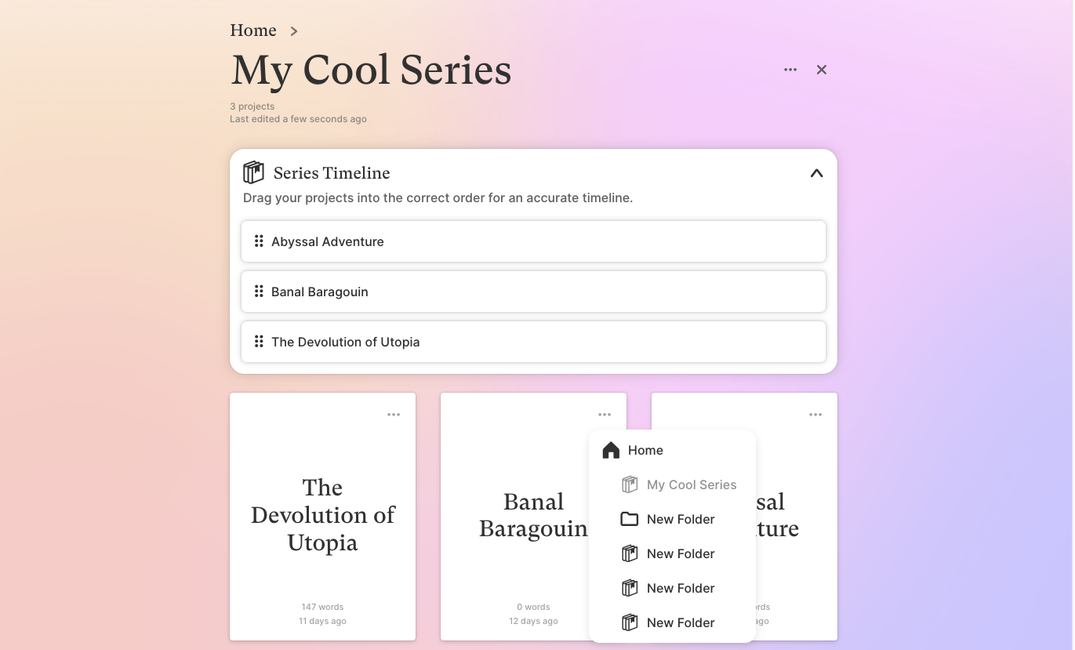
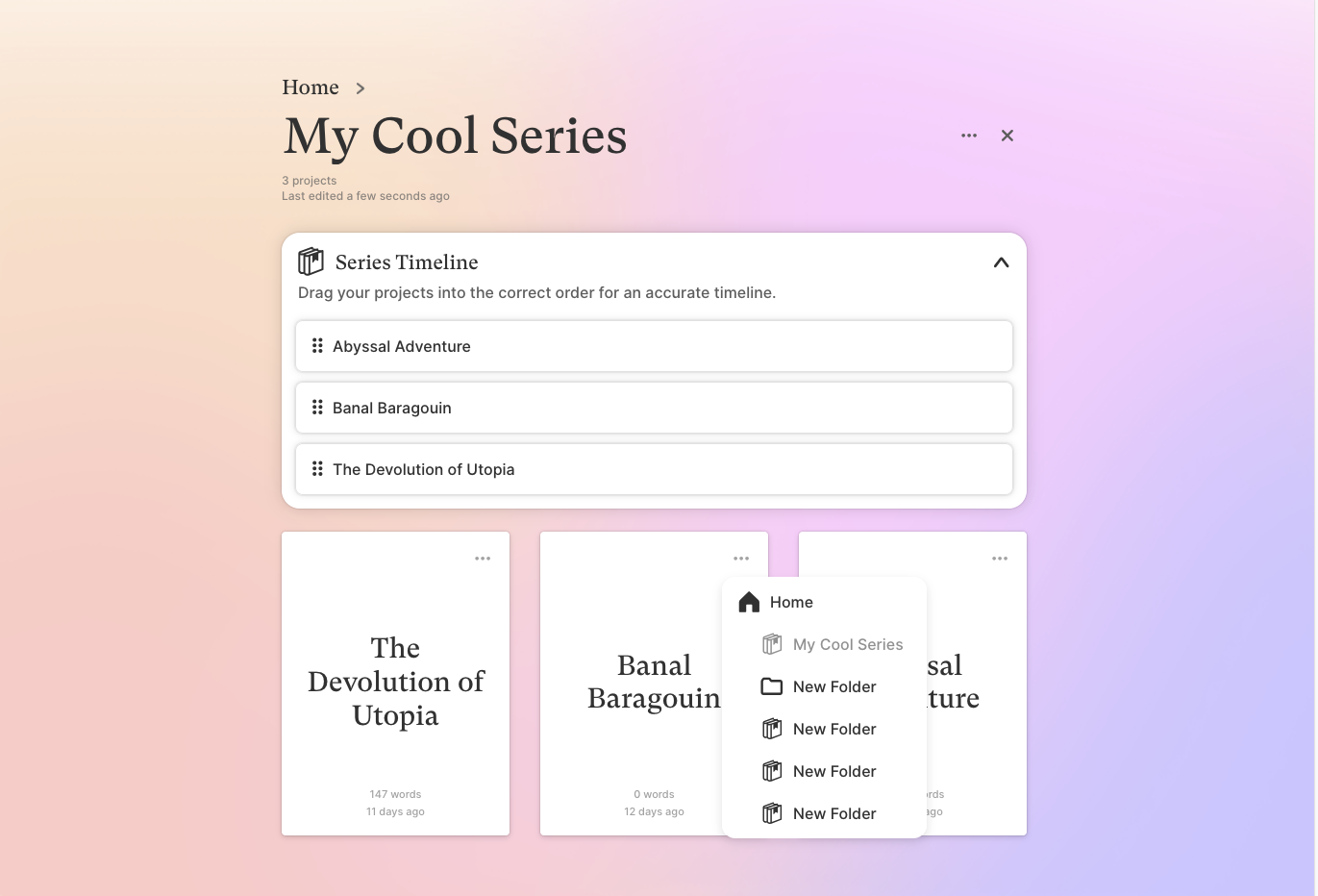
For series writers: the Series Folder maintains character and continuity data across books, so intimate scenes in book three reflect the relationship development from books one and two—not a factory reset.
Related Reading
More from the Sudowrite adult fiction library:
- AI for Adult Writing: The Uncensored Guide — full framework for tools, prompting, and editing adult fiction
- Sudowrite vs. DreamGen for NSFW Fiction — direct comparison of the two leading NSFW platforms
- Dark Romance AI Writer — for dark romance and content-sensitive scenes without refusals
- How to Make AI Erotica Read Like Real Fiction — fixing the flat prose problem in AI adult content
Frequently Asked Questions
Can AI actually write good NSFW fiction?
AI produces strong NSFW fiction when directed with specific craft techniques—pacing control, character voice consistency, and sensory layering. The AI handles generation and iteration. The writer provides the craft framework and emotional architecture that separates compelling scenes from generic output.
How do I keep characters sounding like themselves during intimate scenes?
Build detailed voice notes in a Story Bible for each character, including vocabulary, thought patterns, and the kinds of metaphors they'd reach for. Lock POV and tense before generating. Voice consistency in intimate scenes follows the same rules as every other scene—it just gets stress-tested harder.
What makes AI-generated NSFW content feel generic?
Three things: default pacing where everything happens at the same speed, visual-only sensory detail, and the absence of emotional stakes. Fixing any one of these noticeably improves quality. Fixing all three produces scenes that belong in your story instead of sounding borrowed from someone else's. See the 18+ AI text generator rankings for which generators produce this kind of flat output by default.
Your fiction deserves tools that respect the craft behind it. Start writing with Sudowrite and find out what happens when real technique meets AI built for fiction writers.